
Keep ahead of it
A simple resupply rhythm
Strips, lancets, sensors and cuffs all wear out or run low eventually. We can set a reminder so a resupply order goes out before a household is down to its last few, rather than after.
Setup & care guideEvery device category we're commonly asked about, in one list. Availability may vary — call to confirm which devices are available before you order.
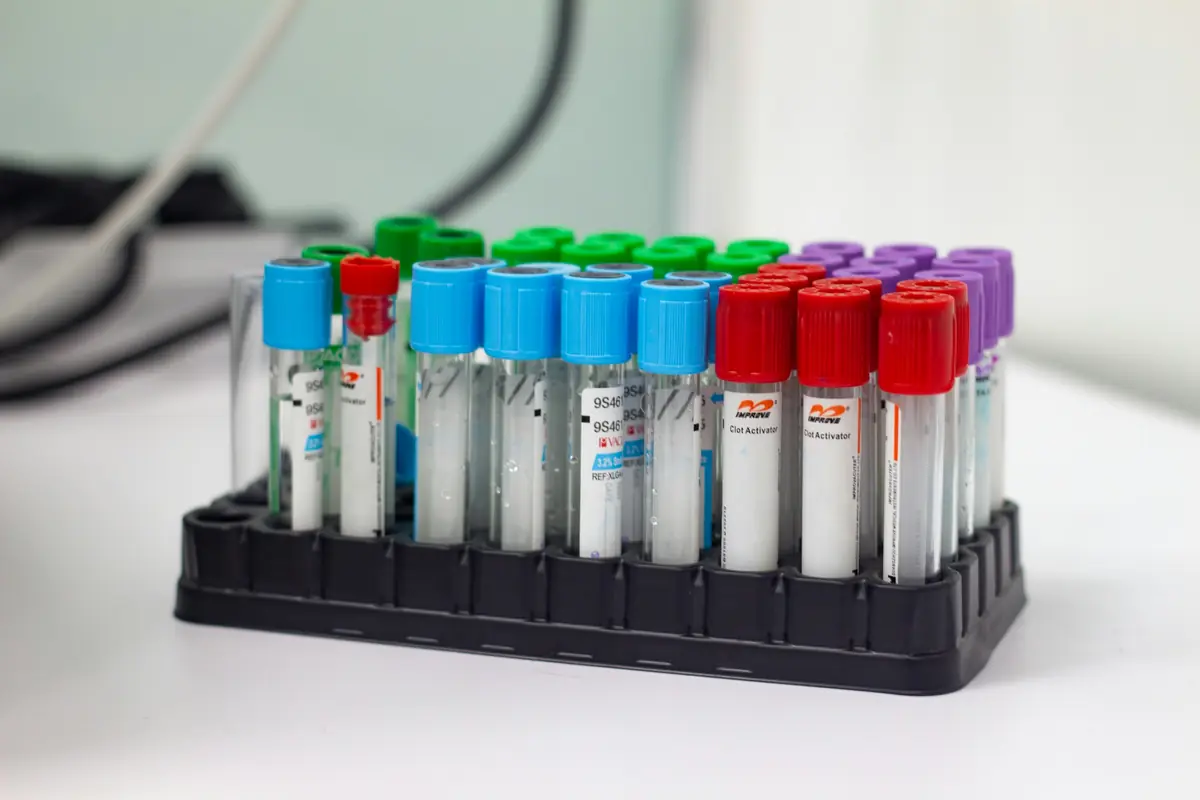
A blood pressure monitor is only as good as its fit. We'll help you pick the cuff size and style that works for the person using it.
The style most clinicians recommend; accuracy depends on a properly sized cuff.
More compact and often easier to self-apply, with technique mattering more for accuracy.
Store several readings so a log doesn't rely on writing every number down.
One unit with multiple user profiles for households tracking more than one person.
A pulse oximeter clips briefly onto a fingertip and estimates the oxygen level in your blood along with your pulse rate. It's commonly used to keep an eye on respiratory conditions or recovery, at a clinician's suggestion.
Cold hands, nail polish, movement and poor circulation can all affect a reading, so we go over proper use when we deliver one.
A single reading is a snapshot, not a diagnosis — a number that worries you is a reason to call your clinician, not to wait and see.

A glucose monitor reads blood sugar from a small fingerstick sample placed on a test strip. We help households set up a monitor, understand the strips and lancets it uses, and plan a resupply schedule so test strips don't run out at an inconvenient moment.
Continuous glucose monitoring systems work differently and are set up under a clinician's guidance — ask us whether a traditional meter or a continuous system fits your situation.
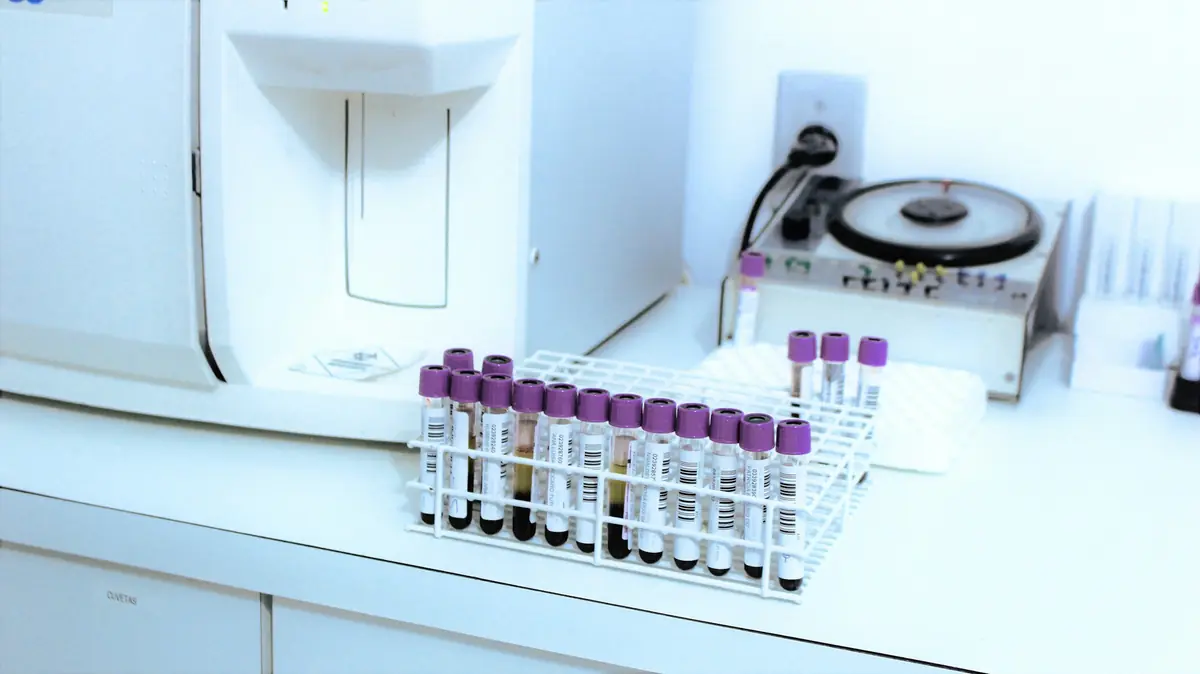
Placed under the tongue; often the most familiar style for adults and older children.
Fast readings, though technique and earwax can affect accuracy.
A quick, gentle option often used for sleeping children or quick screening.
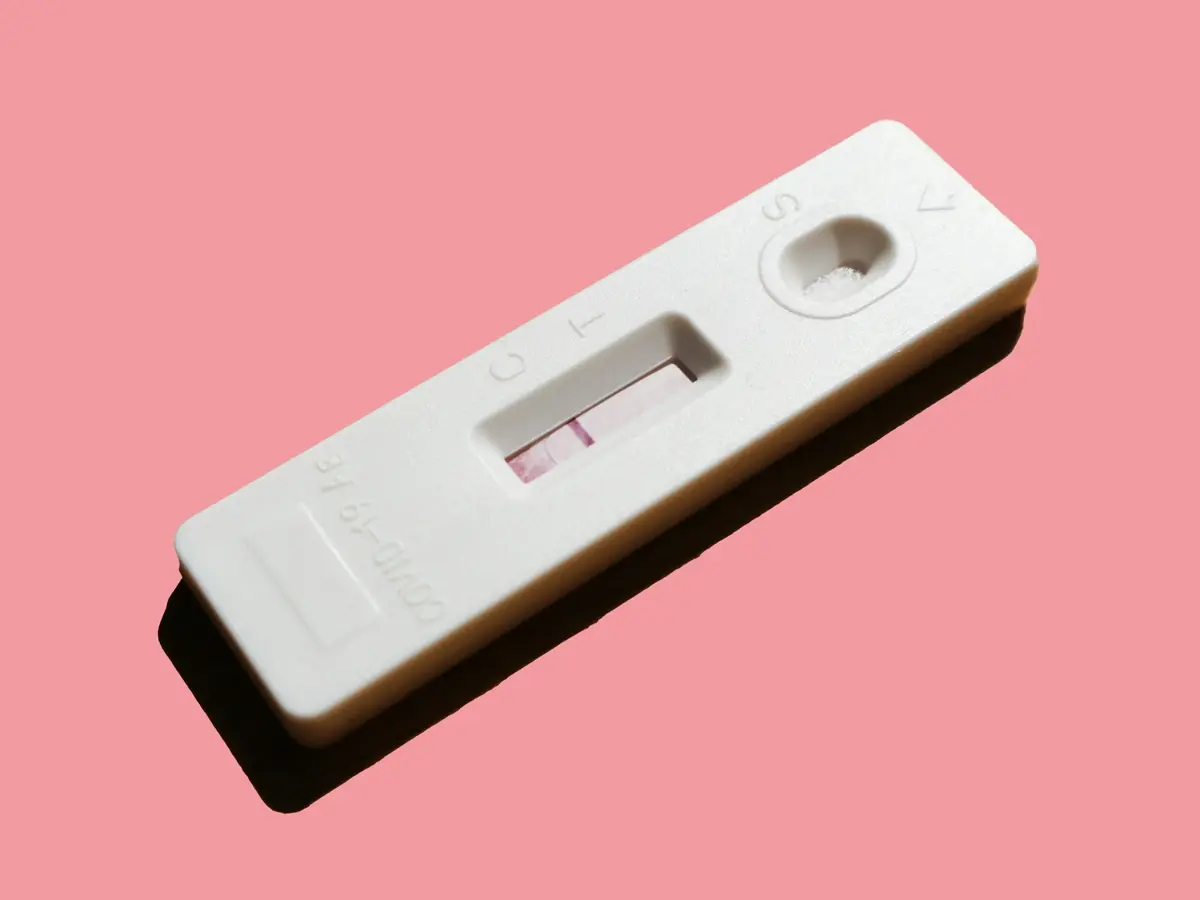
Some households also keep a few over-the-counter test kits on hand — a rapid antigen kit, a urine test strip, a pregnancy test. These use a small cassette or strip that's read at home, usually within minutes.
We can include kits like these alongside a larger device order. We don't interpret the result for you; the instructions that come with each kit explain how to read it, and your clinician is the right call for what a result means.
Everything on this page is general information. Availability may vary — call (631) 342-5675 to confirm before you order.
Strips, lancets, sensors and cuffs all wear out or run low eventually. We can set a reminder so a resupply order goes out before a household is down to its last few, rather than after.
Setup & care guideTell us what you're trying to track — a clinician's suggestion, a household routine or a specific concern — and we'll point you in the right direction.